
Best PU Coated Gloves for Automotive Wire Harnessing, Interior Trim, and Dry Component Assembly
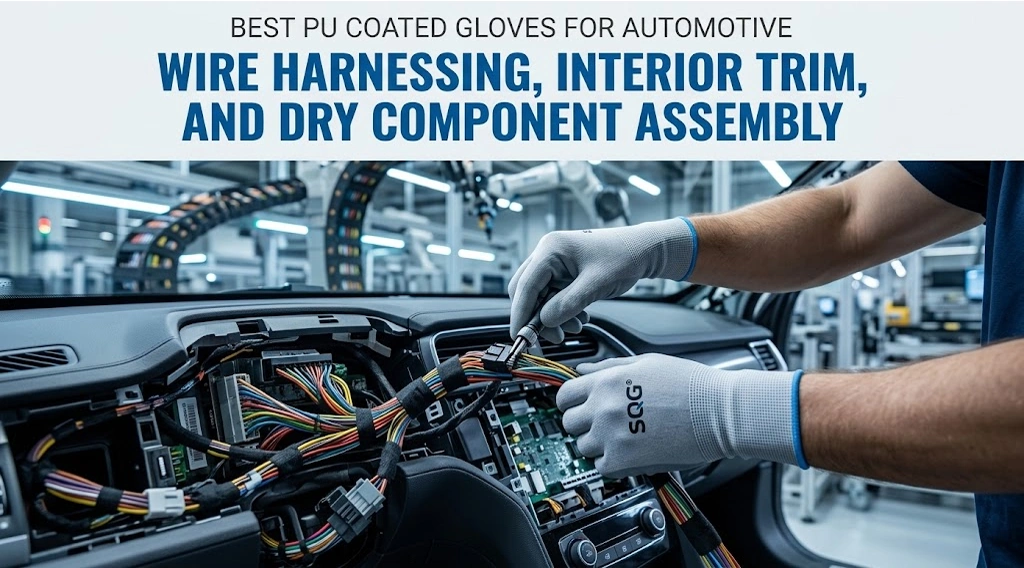
Selecting the optimal pu coated gloves for automotive assembly is critical for Tier 1 suppliers and OEM assembly plants seeking to balance tactile precision with the prevention of surface defects. Introduction: Decarbonizing and Refining Modern Vehicle Hand Protection With the explosive growth of new energy vehicles (EVs) and the deepening evolution of smart cockpits in […]
Bio-Based & RPET PU Gloves: Lowering Carbon Footprints in ESG-Compliant Industrial Supply Chains
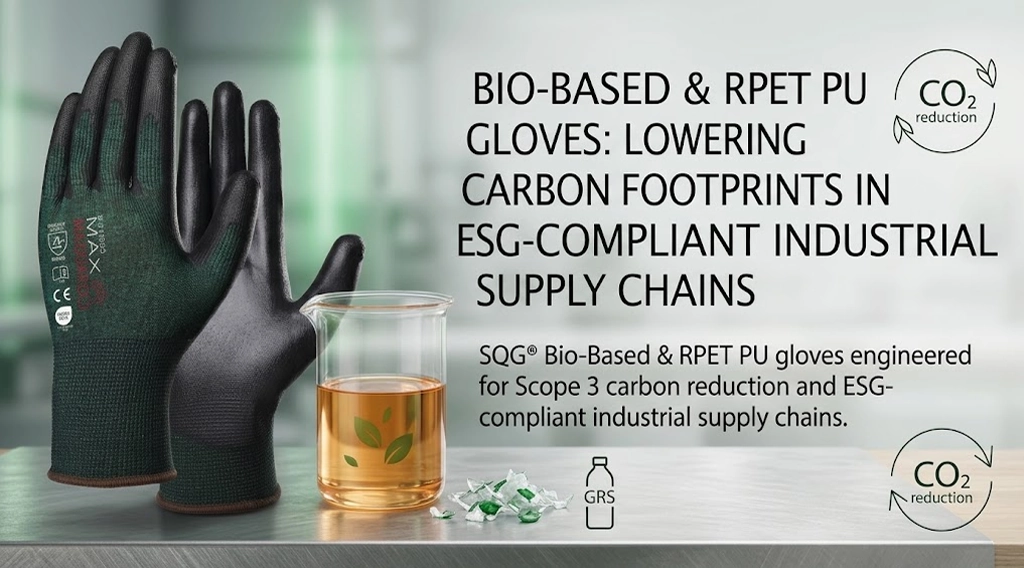
Bio-based rpet pu gloves esg compliance has rapidly shifted from a peripheral corporate social responsibility (CSR) concept to an operational mandate for global manufacturing supply chains. In modern industrial operations, high-turnover PPE items like work gloves represent a significant yet frequently overlooked source of Scope 3 supply chain carbon emissions. Introduction: Decarbonizing Industrial Hand Protection Against […]
ESD Safe PU Coated Work Gloves: Static Dissipation Protocols for Sensitive Electronics Manufacturing
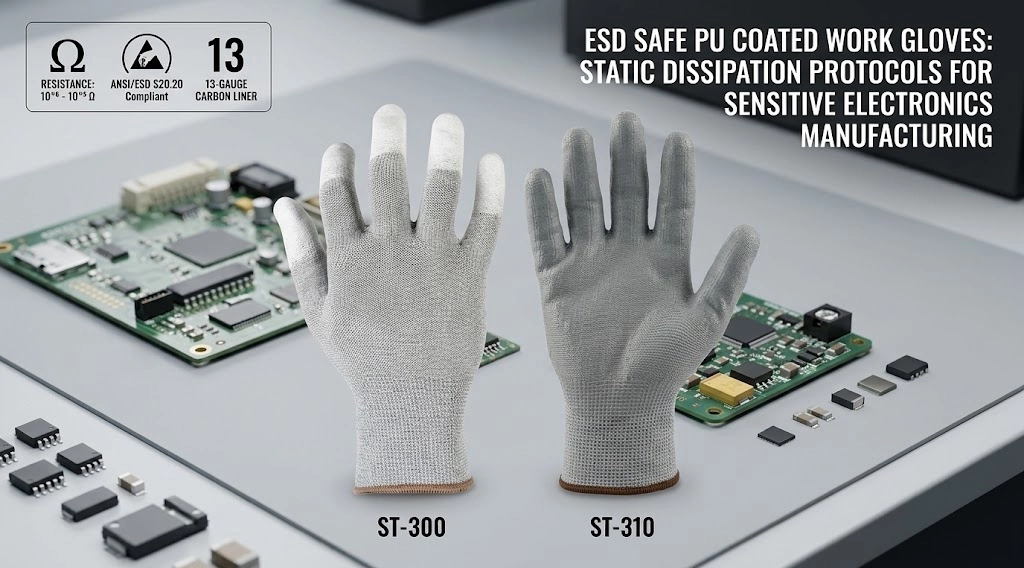
ESD safe PU coated work gloves serve as a fundamental safeguard for production line yield and electrical safety in modern high-precision electronic manufacturing, SMT surface-mount assembly, and semiconductor packaging and testing workstations. As chip manufacturing processes continue to scale down to the micrometer and nanometer levels and circuit integration increases exponentially, the tolerance threshold of […]
Lint-Free PU Cleanroom Gloves: Preventing Particulate Contamination in Semiconductor Environments
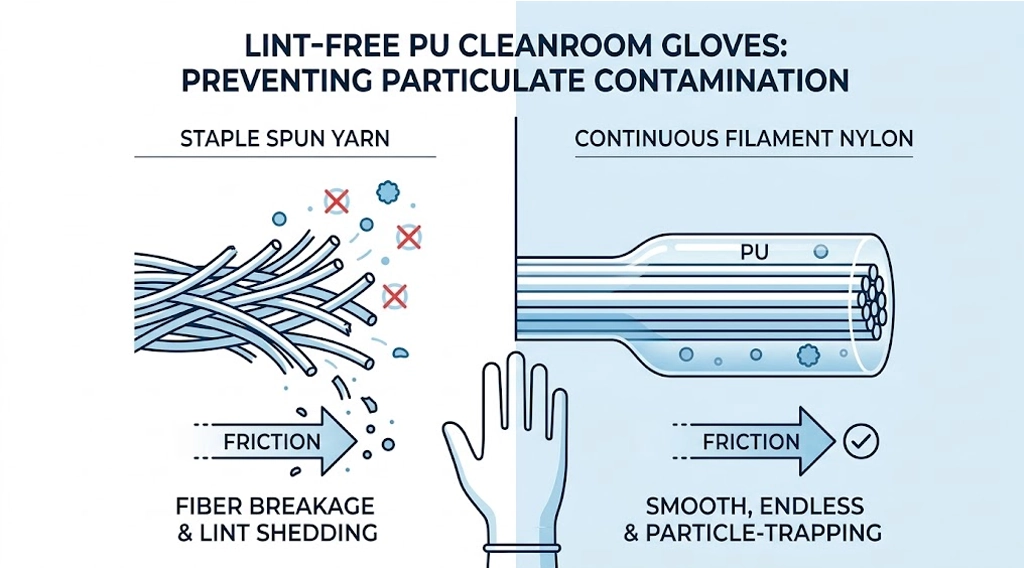
In high-precision manufacturing, deploying lint-free pu cleanroom gloves is critical across semiconductor wafer foundry, automotive camera module (CCM) packaging, micro-electro-mechanical systems (MEMS), and optical lens production. In controlled cleanrooms meeting ISO Class 5 (Fed Std 209E Class 100) or higher standards, a single 0.5-micrometer dust particle—invisible to the naked eye—falling onto photoresist or a wafer […]
Waterborne vs. Solvent-Based PU Gloves: Meeting EU REACH DMFa Limits in Industrial PPE Sourcing
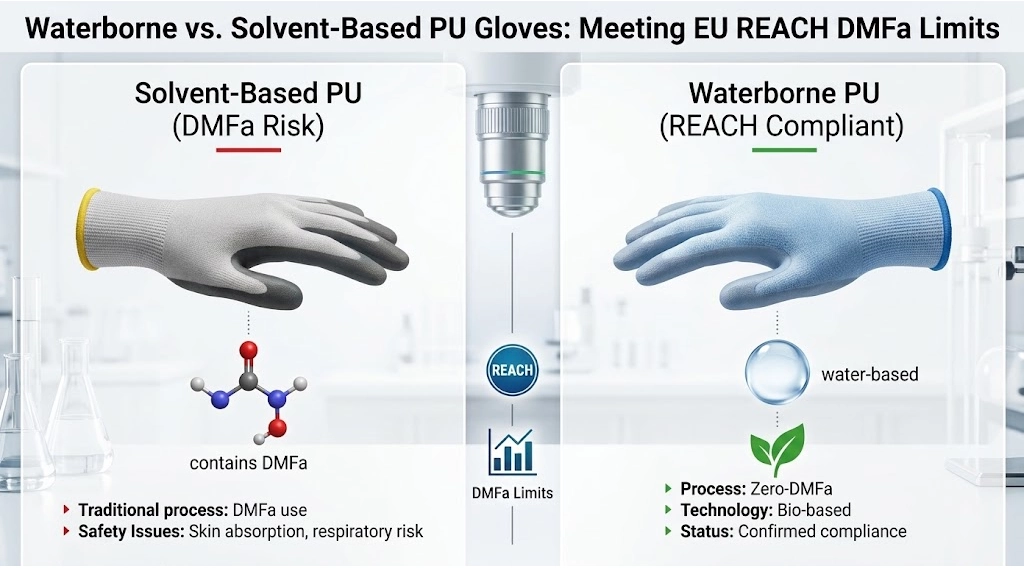
In modern industrial PPE sourcing, selecting waterborne PU gloves reach dmfa compliance standards is the critical step to eliminate occupational dermatitis in assembly lines. For a long time, assembly line workers have consistently reported that when wearing standard polyurethane (PU) gloves, they are highly prone to symptoms of occupational contact dermatitis—such as redness, swelling, blisters, […]
13-Gauge vs. 18-Gauge PU-Coated Gloves: Maximizing Tactile Sensitivity in Micro-Assembly Lines
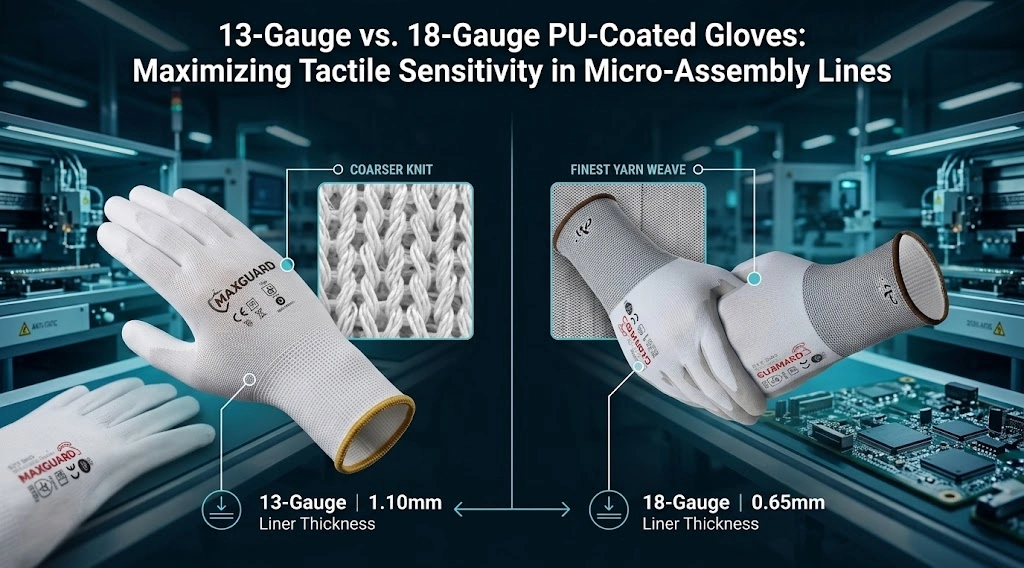
In precision manufacturing and microelectronics assembly lines, choosing between 13-gauge vs 18-gauge pu coated gloves is a critical engineering trade-off for frontline efficiency. At workstations in sectors such as 3C consumer electronics, semiconductor packaging, and precision medical devices, front-line operators face typical ergonomic challenges: Prolonged use of traditional 13-gauge gloves during operations causes the fabric’s […]
PU Coated vs. Nitrile vs. Latex Work Gloves: The Definitive B2B Selection Guide for Precision Manufacturing
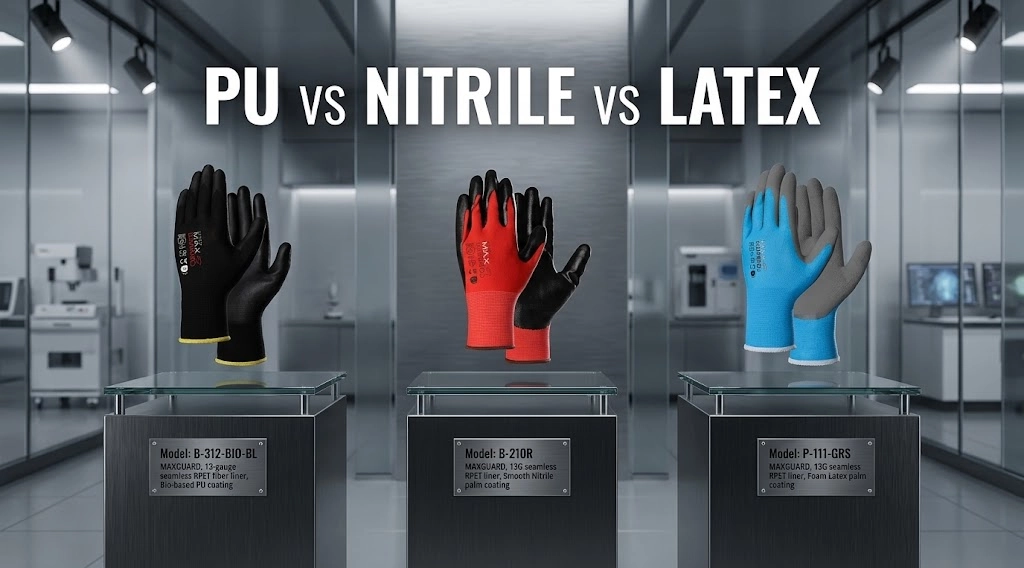
When evaluating pu coated vs nitrile vs latex work gloves for centralized procurement in modern discrete manufacturing and precision assembly workshops, operations teams often fall into two extreme pitfalls. One involves distributing heavy, foam-lined nitrile gloves to all workstations in pursuit of maximum abrasion resistance, which restricts finger mobility and impairs the handling of small […]
Total Cost of Ownership (TCO) Analysis: Why Premium Nitrile Gloves Save Factory PPE Budgets

The “Unit Price” Illusion in Industrial PPE Procurement Conducting a comprehensive nitrile gloves TCO analysis is essential for industrial procurement teams to uncover hidden costs beyond initial unit purchase prices. However, industrial protective gloves are not one-dimensional office supplies; actual expenses are directly determined by their service life at the workstation, replacement frequency, and on-site […]
Touchscreen-Compatible Nitrile Gloves: Improving Efficiency in Automated Industrial Workplaces
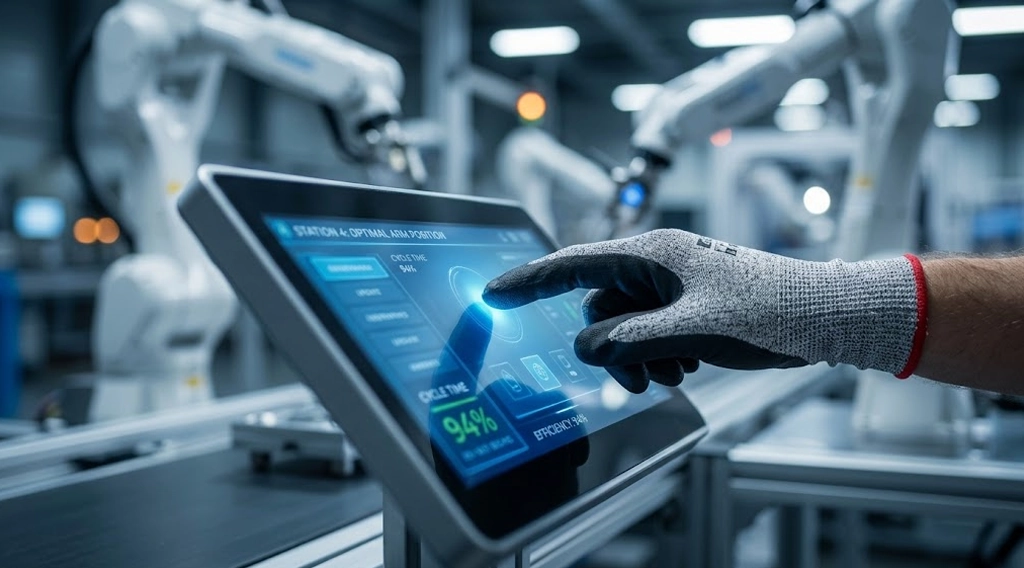
The HMI & Digital Dilemma in Modern Smart Factories Deploying touchscreen compatible nitrile gloves in modern automated industrial workplaces is essential for eliminating micro-stops during HMI screen operations while maintaining hand protection. However, the physical conflict between traditional insulated industrial gloves and capacitive touchscreens is becoming a major hidden obstacle on automated production lines, slowing […]
High-Cut and Impact-Resistant Nitrile Gloves: Multi-Hazard Defense for Heavy Manufacturing
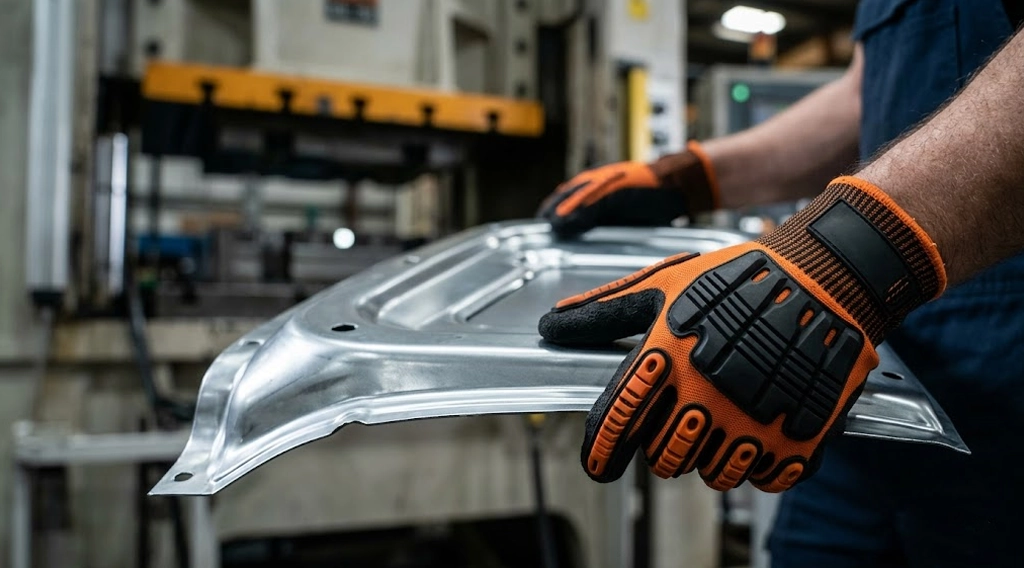
The Multi-Hazard Challenge in Heavy Industrial Workstations Deploying cut- and impact-resistant nitrile gloves in heavy industrial workstations is essential for defending against sharp edges, heavy crushing risks, and oil penetration. Instead, these workstations are rife with combined injury risks (multi-hazard risks) posed by sharp edges, impacts from heavy objects, and industrial lubricants. Analyzing Combined Cut, […]
Waterborne Nitrile Coated Gloves: Eliminating Solvent Residues in Cleanroom Environments
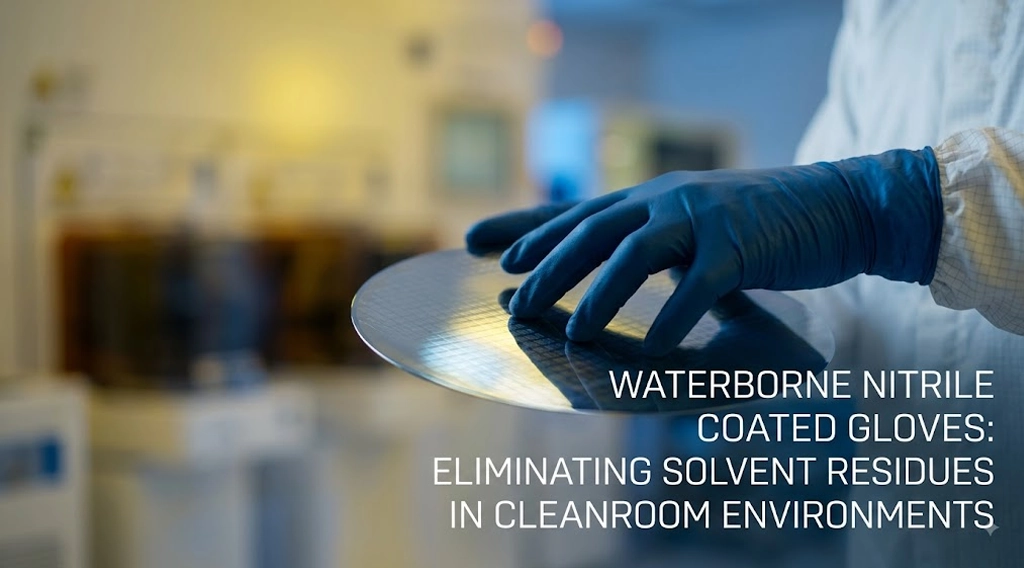
Introduction: The Challenge of Solvent Contamination in Precision Manufacturing Deploying waterborne nitrile cleanroom gloves in ultra-clean manufacturing environments is essential for eliminating solvent residues and controlling molecular contamination. Traditional industrial protective gloves excel in oil resistance, cut resistance, and abrasion resistance, but the organic solvents and volatile organic compounds (VOCs) left behind during their production […]
Waterproof vs. Breathable Nitrile Coatings: Balancing Dexterity and Liquid Protection
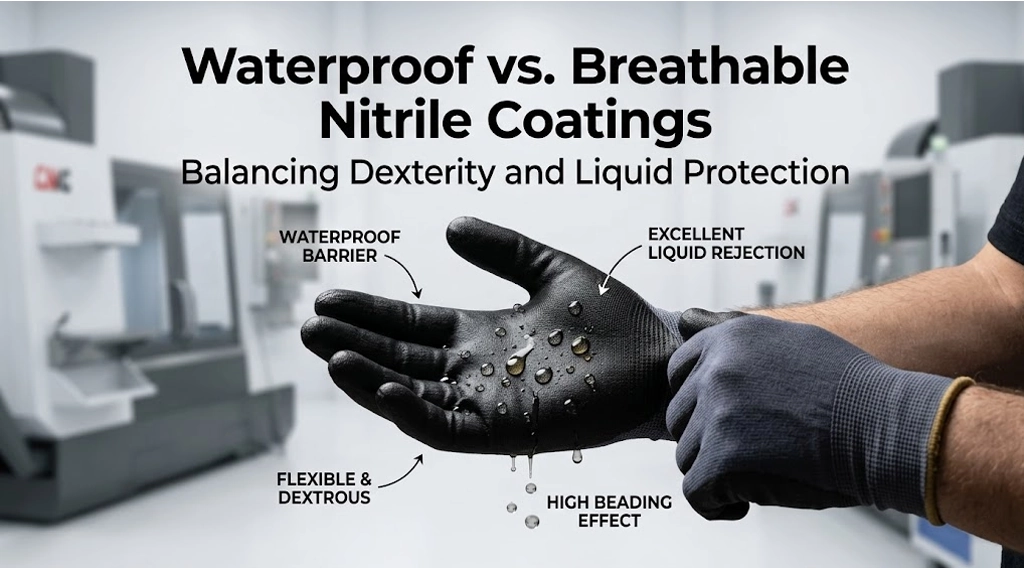
Introduction: The Industrial Dilemma of Liquid Barrier vs. Thermal Comfort When evaluating waterproof vs breathable nitrile gloves for industrial EHS procurement, balancing liquid barrier security with thermal comfort is a critical challenge. Particularly at wet workstations involving coolant spills, cutting oil splashes, or frequent contact with water-based media, balancing “liquid barrier protection” with “breathable comfort” […]