

When it comes to heavy-duty industrial safety, protecting frontline workers in multi-hazard environments remains one of the most pressing challenges facing safety supervisors and procurement managers. While the sharp edges of machinery require gloves with top-tier cut resistance, hidden sharp objects, rusty nails, and scattered scrap wire on the shop floor demand uncompromising puncture protection.
If companies fail to strike the perfect balance between these two distinct physical requirements during procurement, it will inevitably lead to high workplace injury rates and the hidden waste of PPE budgets. Therefore, carefully selecting cut- and puncture-resistant gloves that match the work environment is the key to eliminating hand penetration injuries and maintaining operational compliance. This definitive B2B procurement guide will provide an in-depth breakdown of internationally recognized testing standards (ANSI & EN388), analyze the physical properties of high-performance composite materials, and offer a data-driven financial framework to help your company drastically reduce annual safety expenses through factory-direct sourcing.
Introduction: Beyond Sliding Cuts — The Lethal Threat of Industrial Puncture
The Hidden Costs of Puncture Injuries in Heavy Industries
In modern heavy industry and high-risk work environments, hand safety risks are never isolated. On the front lines—in sectors such as waste management, automotive dismantling, heavy metal fabrication, and demolition sites—workers are constantly exposed to harsh conditions rife with complex mechanical hazards. While sliding cuts caused by thin metal sheets or sharp blades are highly visible, another more covert and deadly threat stems from direct vertical impact—namely, the severe puncture hazards posed by sharp framing nails, stiff steel wires, and jagged glass shards.
Unlike ordinary superficial skin abrasions, the force of a true puncture drives these sharp objects directly through the protective layer of the gloves, deep into the worker’s muscle tissue, blood vessels, and nerves. For safety supervisors and procurement managers, the ripple effects of such workplace injuries extend far beyond mere medical treatment. Puncture wounds are highly prone to causing deep tissue infections and long-term nerve damage, directly leading to a sharp rise in a company’s workers’ compensation costs and the risk of legal litigation. Worse still, when a skilled operator is forced to take leave due to such a preventable puncture injury, the resulting production downtime losses will completely disrupt existing assembly schedules and severely erode the company’s overall profits. Therefore, selecting professional cut- and puncture-resistant gloves through bulk procurement is by no means a mere upgrade to personal protective equipment; rather, it is a core operational strategy for ensuring the stability of the factory supply chain and managing corporate risk.
Why Standard Anti-Cut Gloves Fail Against Spikes and Nails
One of the most common and costly misconceptions in the PPE procurement chain is the blind assumption that gloves with a high cut resistance rating will automatically withstand direct penetration by sharp objects. This rigid application of technical specifications often leads to misallocation of corporate procurement budgets and fails to provide genuine protection for frontline workers. The market is currently flooded with 15-gauge or 18-gauge pure-knit cut-resistant gloves marketed under the banner of “ultra-thin, bare-hand sensitivity.” While these lightweight gloves do perform well against lateral cuts from sharp blades on the glove’s surface, their protective performance is virtually non-existent when faced with high-pressure vertical punctures from sharp objects.
This failure in physical defense is determined by the underlying weave structure of pure textile fabrics. Even when gloves use state-of-the-art HPPE or aramid fibers, the pure knitted process still relies on the interlacing of countless interlocking loops. Under a microscope, this structure naturally contains micro-gaps. When workers on-site forcefully grasp burr-covered scrap material or press their palms directly against exposed nails, extreme physical pressure concentrates at the tip of the sharp object, easily pushing these elastic fibers apart and allowing the object to penetrate directly through the microscopic gaps into the palm. In such situations, the glove’s physical resistance to vertical penetration completely fails. To provide watertight safety protection in heavy industrial environments, companies must completely abandon the illusion of “ultra-thin pure fabric.” True protection against sharp, direct punctures relies on heavy-duty puncture-resistant work gloves that are fundamentally reengineered from the ground up—they must incorporate multi-layered composite shells, dense polymer coatings, and a physically reinforced matrix specifically designed to blunt and deflect the force applied at the tip of the nail.
Decoding the Data: ANSI vs. EN 388 Puncture and Cut Ratings
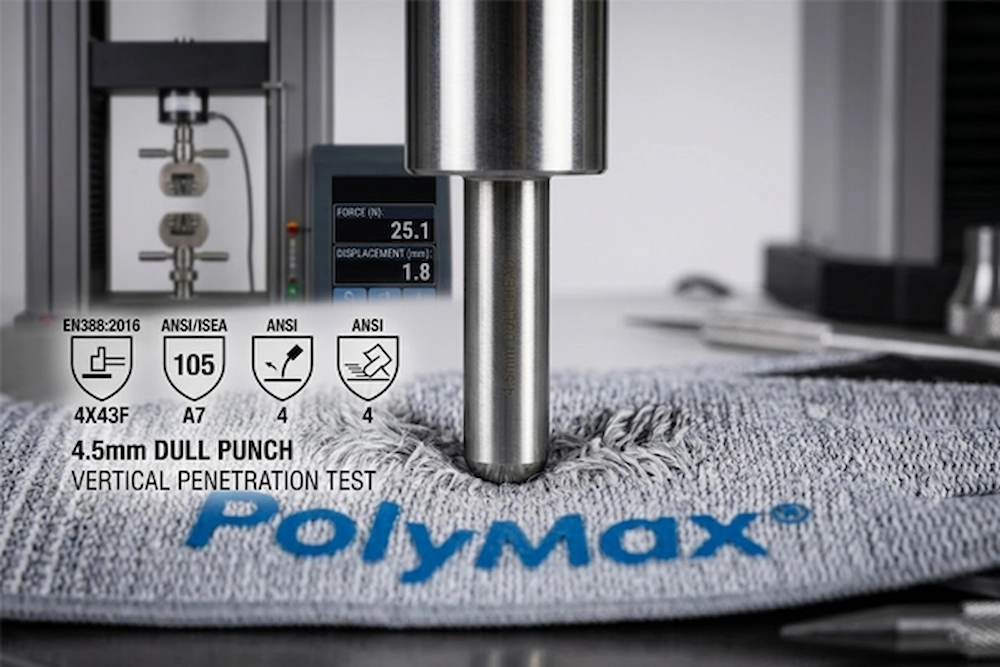
ANSI/ISEA 105: The Blunt Probe Puncture Testing Standard
In large-scale PPE procurement and supply chain compliance audits, verifying international compliance certifications is the critical first step in assessing a supplier’s capabilities. The ANSI/ISEA 105 standard employs an extremely rigorous, parameterized testing process to evaluate puncture resistance. The core testing method does not rely on subjective human judgment but instead uses precision testing equipment to drive a 4.5mm-diameter blunt steel probe vertically into the glove material at a constant speed.
This specifically designed steel probe closely simulates the most common mechanical hazards found in industrial settings—such as exposed sharp framing nails at demolition sites, protruding stiff steel wires at metal recycling facilities, and the physical impact of large rocks or hard metal shavings pressing against gloves. The machine precisely records the absolute force required to completely pierce the glove fabric, using Newtons (N) as the primary unit of measurement. This testing method measures the material’s absolute physical resistance to macro-object punctures. Therefore, when the technical specifications of a pair of cut and puncture-resistant gloves clearly state ANSI Puncture Level 4 or Level 5, it means they have withstood vertical pressure tests involving high-intensity Newton forces, making them a true “bulletproof vest for the hands” for frontline workers in heavy industry.
EN 388: The European Mechanical Risk Rating Framework
For global distributors and bulk purchasers engaged in cross-border trade, understanding the European EN 388 Mechanical Risk Rating Framework is equally critical. All work gloves certified under the EU CE mark for cut and puncture resistance feature a distinctive “mechanical risk shield icon,” accompanied by a 4-digit alphanumeric code below the icon. The fourth digit in this code represents the glove’s puncture resistance level (ranging from Level 1 to Level 4).
Similar to U.S. standards, the European EN 388 testing protocol also defines the unit of force when a blunt needle penetrates the material as Newtons (N). When a glove achieves EN 388 Puncture Level 4 (the highest level under the European standard), it means it can withstand a puncture force of 150 Newtons or greater. Since the physical nature of the tests is highly consistent—both use objective Newtonian force to quantify core protective performance—EN 388 data and ANSI data possess extremely high trade interoperability within the global supply chain. As a professional industrial safety glove manufacturer, we can assist supply chain teams both domestically and internationally in seamlessly aligning data to quickly determine whether a pair of heavy-duty puncture-resistant work gloves meets the compliance requirements for specific high-risk work environments.
Table 1:ndustrial Cut & Puncture Protection Standards Matrix
| Standard Authority | Protection Level | Quantitative Metrics (Force Range) | Workplace Risk Assessment | Recommended Industrial Applications |
| ANSI Puncture | Level 4 | 100–149 Newtons (N) | High risk of puncture and tear | Metal scrap sorting, glass recycling |
| ANSI Puncture | Level 5 (Max) | 150+ Newtons (N) | Extreme risk of penetration | Municipal waste sorting, demolition |
| ANSI Cut | Level A5 / A6 | 2200–3499 Grams (g) | Severe risk of sliding cuts | Heavy metal stamping, metal fabrication |
| EN 388 Puncture | Level 4 (Max) | 150+ Newtons (N) | Premium European defense | HVAC duct installation, heavy machinery |
| EN 388 TDM Cut | Level E / F | 150+ Newtons (N) | High-strength linear cuts | Automotive assembly, metal casting |
Technical Engineering: Material Combinations That Stop the Spike
Heavy-Duty Palm Coatings: The First Line of Defense
When facing vertical punctures in harsh working conditions, why is puncture resistance so heavily reliant on external coatings? Because a pure textile-woven fiber lining undergoes natural physical displacement when subjected to perpendicular force, making it unable to stop a sharp object. As the first line of defense in hand protection, the core function of heavy-duty palm coatings is to “blunt” the sharp tip of a penetrating object and forcefully deflect it using a high-density polymer barrier before it reaches the inner fabric.
SQG utilizes thick crinkle latex or heavy-duty double-dipped sandy nitrile, both of which feature significantly increased rubber density from the initial design stage. This thick outer shell rapidly disperses and distributes the concentrated pressure points in the microseconds it takes for a sharp object to penetrate, effectively reducing pressure at the source. This layer of macromolecular polymer is the decisive hardware for blocking complex puncture hazards in industrial settings, and it serves as a physical barrier that pure, lightweight knitted gloves simply cannot overcome.
Steel Wire Composite Liners: The Structural Core Armor
Having covered the external barrier, the second line of defense inside the glove must be distinctly different from the ultra-thin fibers featured in the previous article, which emphasized high dexterity and a bare-hand feel. In true heavy-duty cut- and puncture-resistant gloves, the core function of the liner is to provide a rugged framework that offers ultimate resistance to structural failure and tearing. This heavy-duty protection series abandons ultra-thin, delicate yarns in favor of a high-density 13-gauge, high-weight HPPE fabric as the base layer.
More importantly, during the spinning process, we deeply interweave a stainless steel mesh core into the high-performance fibers. This interwoven matrix, constructed from ultra-fine stainless steel wires, provides robust underlying mechanical rigidity. Even if the thick outer coating is unfortunately punctured in localized areas under extreme pressure, the tough internal steel core acts like a bulletproof vest, firmly catching and locking the blade tip or sharp wire to prevent further penetration and tissue damage, thereby providing frontline workers with dual-layer, hardcore protection.
Reinforced Thumb Crotch: Eliminating the Highest Wear Point
As a professional industrial safety glove manufacturer specializing in bulk wholesale for the international market, we understand exactly what supply chain managers and bulk buyers fear most. According to big data on occupational injuries and PPE wear and tear from manufacturing facilities worldwide, over 70% of premature glove failures and puncture-related workplace injuries are highly concentrated in the “thumb crotch area” between the thumb and index finger. This is the absolute high-risk zone for workers who frequently grip and handle sharp scrap materials, heavy pipes, and rough wire, and it is the most vulnerable “lifeline” of the entire glove.
Therefore, SQG has applied advanced secondary patch reinforcement or thickened full-rubber secondary protection to this high-wear and high-puncture-risk area—specifically, the “reinforced thumb crotch” (thumb crotch reinforcement process). This flagship selling point not only specifically eliminates the greatest safety hazard in the workshop but also directly extends the overall physical lifespan of the gloves by more than 30% by addressing the pain point of “premature scrapping of the entire pair due to localized premature wear.” For procurement directors seeking bulk safety supplies, this localized hardware upgrade significantly reduces the company’s TCO (Total Cost of Ownership), serving as a compelling argument to persuade management to optimize the overall safety budget and reduce workers’ compensation costs.
Application Guide: Mapping Workplace Hazards to Sourcing Specifications
In B2B safety procurement, the worst possible decision is to “use a one-size-fits-all approach for the entire factory.” Workshop conditions vary greatly across different industries. Blindly standardizing specifications not only leads to significant waste of PPE budgets but can also result in serious workplace accidents due to inadequate protection. To ensure precise supply chain fulfillment, procurement directors must learn to scientifically map specific workplace hazards to glove technical specifications and directly match them with specialized, high-performance products developed for those specific scenarios.
Waste Management and Recycling Sourcing Requirements
In the waste management and recycling industry, frontline workers face extremely harsh and unpredictable hazardous environments on a daily basis. The core hazards of these working conditions stem from the large quantities of hidden glass shards, tangled rusty wires, and the numerous unknown puncture risks posed by the sharp edges of discarded cans. Compounding the challenge, these materials are often mixed with large amounts of domestic wastewater or used motor oil.
To address this highly complex hazardous scenario, bulk corporate procurement must prioritize cut- and puncture-resistant gloves featuring a robust internal steel wire or high-elasticity technical lining combined with a multi-layer, fully-dipped nitrile process. The dense outer coating not only creates a seamless liquid barrier to completely block the penetration of oil and hazardous liquids but also neutralizes the physical pressure of sharp points at the source, ensuring workers’ hands remain dry and hygienic while achieving ANSI Puncture Level 4 protection.
Heavy Metal Fabrication, Stamping, and Automotive Logistics: Featuring SQG® K4-278
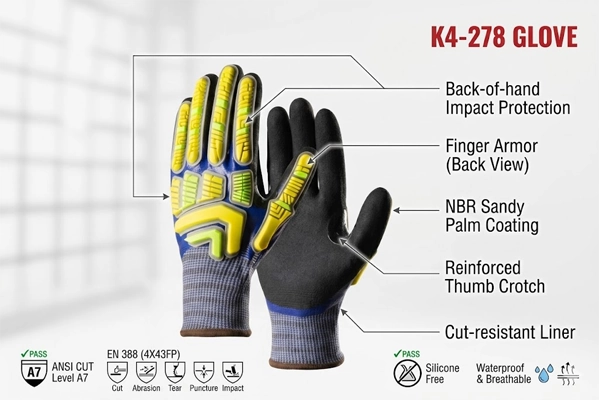
In heavy metal fabrication, heavy-duty machine tool stamping, mechanical assembly, and automotive warehousing and logistics facilities, workers face the most demanding “multi-hazard environments.”
Here, workers handling heavy metal scrap fresh off the mold must not only guard against flying debris from extremely sharp edges but also manipulate heavy components with precision in an environment saturated with slippery cutting fluid and rust-preventive oil, all while constantly facing the extreme risk of heavy objects striking the backs of their hands and fingers. To address this industry pain point, SQG has dedicated significant resources to developing its flagship heavy-duty protective model—the SQG® K4-278. Through a revolutionary redesign of the base material, it perfectly meets all the stringent requirements of heavy industry bulk procurement:
18-gauge seamless TekArmor® premium liner (Very flexible thanks to 18-gauge knitting shell):
The K4-278 features SQG’s proprietary 18-gauge seamless TekArmor® A4/D liner. This ultra-high-density, high-tech cut-resistant fiber delivers top-tier cut resistance up to ANSI A4 / EN388 ISO Cut Level D. Its ultra-fine fiber weaving process provides formidable protection while still giving the glove unprecedented bare-hand feel and dexterity.
Double-layer NBR for superior oil and water resistance:
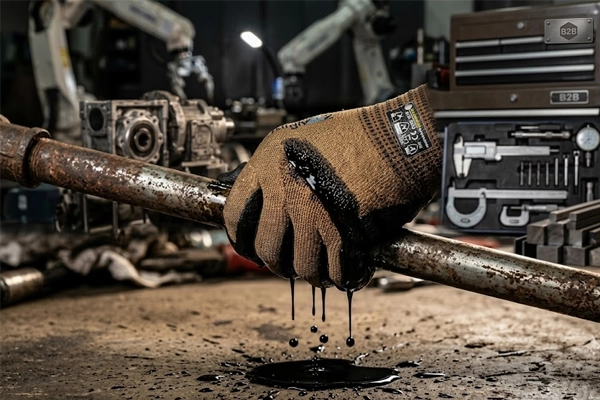
To completely eliminate slippage and chemical penetration caused by heavy machine oil, the K4-278 employs an innovative “full-dip flat-coated NBR + micro-porous sanded NBR on the palm” process. Its exclusive NBR sandy coating delivers exceptional physical grip in dry, wet, and oily conditions, instantly repelling slippery oil from metal surfaces like a sponge suction cup.
Heat-sealed TPR impact protection (Heat sealing TPR keeps the integrity of the backside coating):
Fully compliant with the ANSI/ISEA 138 Impact Level 2 standard. High-density TPR (thermoplastic rubber) impact-resistant armor is fused to the back of the hand using advanced heat-sealing technology. This process effectively absorbs and dissipates lateral impact forces from heavy impacts or mechanical compression without compromising the integrity of the backside rubber coating.
Thumb Crotch Reinforcement for Enhanced Wear Resistance:
Fully addresses the B-end’s critical need for heavy-duty abrasion resistance. The K4-278 employs a comprehensive thumb crotch reinforcement patch in the area between the thumb and index finger—where wear rates are highest—directly extending the glove’s puncture resistance and overall service life by over 30%.
Full Touchscreen Compatibility:
Full-palm touchscreen functionality. Frontline workers or logistics drivers no longer need to frequently remove their gloves when operating digital machine panels or signing on terminal devices, fundamentally eliminating safety hazards caused by improper bare-hand operation.
Hand Protection Specifications for Demolition and Construction
The working environment in the construction and demolition industry is a completely different, high-intensity scenario. Here, workers frequently come into contact with exposed framing nails, rough concrete edges, and high-abrasion heavy-duty building materials. The core focus of procurement here is the pursuit of ultimate abrasion and tear resistance, as well as powerful grip and friction.
For the heavy physical labor involved in construction and demolition, the ideal specifications are a 10-gauge or 13-gauge aramid blend liner paired with a thick crinkle latex coating. Aramid fibers naturally possess top-tier physical properties for tear resistance and protection against heat generated by friction at heights, while the thick natural latex crinkle process utilizes a dense, textured surface to provide unmatched high-friction grip. This robust combination ensures that workers will never slip when handling heavy scaffolding or rough rebar, delivering maximum tear resistance lifespan.
Table 2: B2B Procurement Selection Matrix by Industry
| Target Industries | Primary On-Site Hazards | Recommended Model / Specifications | Strategic Defense Objective |
| Waste Management | Hidden glass shards, rusty wires | 13G Steel liner + Full double-layer nitrile | Block fluid and unpredictable sharp spikes |
| Metal & Automotive | Stamped blanks, machine oils, impact | SQG® K4-278 (18G TekArmor® + Double NBR + TPR) | Channel oils, maintain Cut A4 and Impact Level 2 |
| Construction | Framing nails, rough concrete edges | 10G/13G Aramid + Thick crinkle latex | Maximum tear resistance and high-friction grip |
Procurement Economics: Why Cheap Gloves Drain Your Annual Budget
In B2B occupational safety supply chain management, procurement departments often face a classic performance evaluation dilemma: safety managers prioritize protective specifications, while CFOs fixate on the unit price listed on invoices. This price-driven selection mechanism often traps companies in a vicious cycle of false savings. In centralized procurement for heavy industry, true cost accounting should never be limited to the “purchase price” alone; instead, it should incorporate the core evaluation metric of modern supply chains—TCO Analysis (Total Cost of Ownership).
The Disposable Trap: Calculated Day-to-Day Expenses
Many multinational corporations and large manufacturing facilities often fall into the “disposable trap” when purchasing safety equipment. In pursuit of superficial cost savings, procurement teams tend to opt for standard, thin cut-resistant gloves with seemingly low unit prices. For example, a pair of common, low-end cut-resistant gloves available on the market may cost as little as $1.50 per pair.
However, in harsh working conditions such as scrap metal sorting, metal stamping, or demolition sites, these gloves offer extremely fragile physical protection due to the lack of a multi-layered rubberized shell and a reinforced puncture-resistant core with hard steel wires. For frontline operators working on-site, a single forceful puncture from sharp steel wire, nails, or flying metal scraps is enough to instantly puncture, tear, and completely render the gloves unusable. To ensure basic occupational safety compliance, workers are forced to replace their protective gear frequently. A single worker may go through as many as two pairs of gloves in a single day. This staggering “invisible churn rate” not only fails to save money but, due to the massive volume of consumption, results in companies silently footing the bill for high “calculated day-to-day expenses” every single day.
The TCO Advantage: Calculating True Cost Per Wear
To completely eliminate this hidden financial drain, forward-thinking supply chain directors are making a comprehensive shift toward a data-driven Total Cost of Ownership (TCO) approach. The core logic of TCO is straightforward: procurement decisions should focus on the gloves’ true cost per wear—that is, “purchase price per pair ÷ the gloves’ actual total service life.”
High-quality professional dual-protection gloves (such as the SQG® K4-278) may have an upfront price of $9.50 per pair, but thanks to their rugged heavy-duty shell, multi-layered dense rubber coating, and exclusive reinforced thumb crotch, they offer exceptional physical resistance and resilience against high-pressure sharp punctures. In equally harsh frontline production environments, they can reliably serve continuously for over 6 days without suffering localized damage.
Even more valuable from a business perspective is that high-quality bulk safety supplies generally support industrial laundering cycles. When gloves are covered in heavy machine oil and grime, traditional low-end work gloves shrink, deform, and see their protection ratings plummet after just one wash; in contrast, the SQG® Heavy-Duty Protection Series can withstand over 10 industrial washing cycles and high-temperature drying without compromising its original ANSI A4 cut and puncture resistance ratings. This means the “total service life” of a pair of gloves can be dramatically extended to 60 days. Through this game-changing extension of service life, high-quality, high-cost gloves effectively reduce procurement frequency for businesses without them even realizing it.
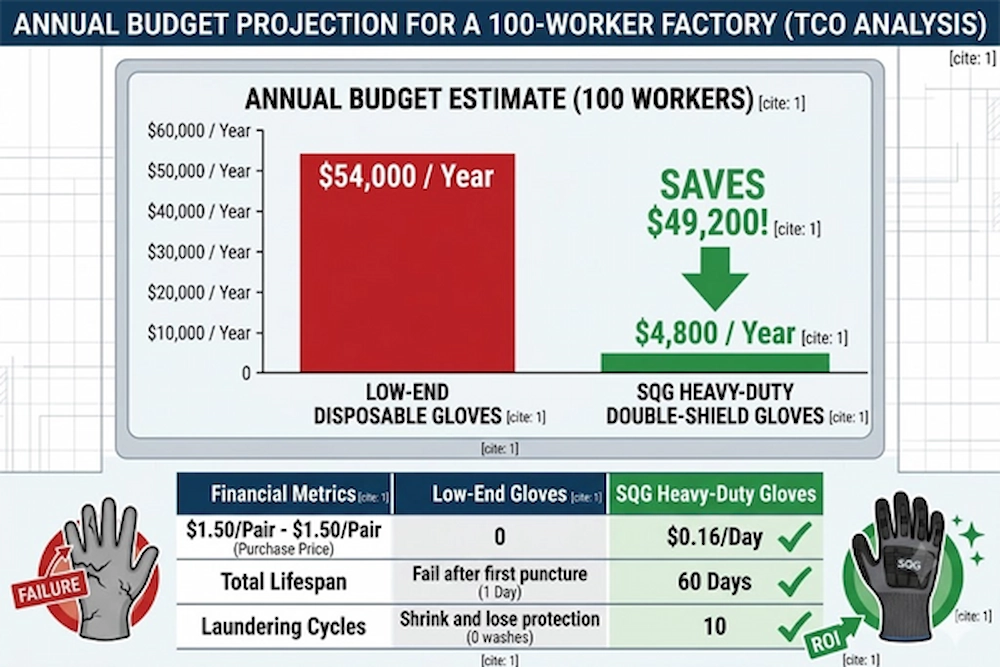
Table 3: Annual Budget Projection for a 100-Worker Factory (TCO Analysis)
| Financial Evaluation Metrics | ❌ Low-End Disposable Work Gloves | �� SQG Heavy-Duty Double-Shield Gloves |
| Glove Unit Price (Purchase Price) | $1.50 / Pair | $9.50 / Pair |
| Lifespan Under Harsh Conditions (Single-Use Lifespan) | Fails after the first puncture (1 Day) | Heavy-duty shell withstands spikes (6 Days) |
| Industrial Laundering Cycles (Number of Machine Washes) | 0 Times (Shrinks and loses protection) | ✓ Withstands 10 wash cycles (protection retained) |
| Total Lifespan per Pair (Total Service Life) | 1 Day × 1 = 1 Day | 6 Days × 10 washes = 60 Days |
| Cost per Wear (Actual Cost per Day of Use) | $1.50 / Day ($1.50 ÷ 1 Day) | $0.16 / Day ($9.50 ÷ 60 Days) |
| Annual Budget Estimate (100 Workers) | Approx. $54,000 / Year | Approx. $4,800 / Year (Saves $49,200!) |
Commercial Partnering: Factory-Direct Sourcing from SQG Safety
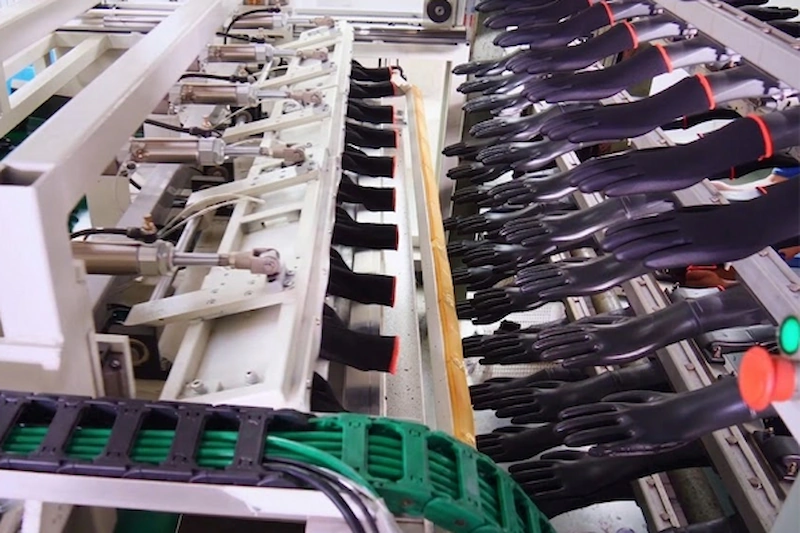
In the multinational occupational safety and health trade, where purchase volumes often run into tens of thousands of pairs, establishing direct strategic partnerships between distributors and major manufacturers is fundamental to maintaining a company’s competitive edge. Choosing to work directly with the source factory not only eliminates the markups and lack of transparency associated with multiple layers of intermediaries but also provides access to comprehensive flexible industrial manufacturing support. As a globally renowned industrial safety gloves manufacturer, SQG Safety leverages its own fully automated production facilities and state-of-the-art R&D laboratories to fully integrate the entire supply chain process—from raw material spinning and blending to fully automated precision dipping. We not only consistently produce standard cut- and puncture-resistant gloves but are also committed to empowering the supply chain ecosystems of our global partners through in-depth, foundational customization.
Robust OEM/ODM Capabilities for Global Distributors
Operating conditions in modern industrial workshops are often extremely complex and dynamic, making it difficult for standardized, off-the-shelf safety gloves to perfectly suit every work scenario. For global safety equipment wholesalers, brand distributors, and large industrial groups, SQG Safety has launched a fully integrated, highly flexible manufacturing solution for heavy-duty protection. Our robust OEM/ODM capabilities enable us to support in-depth, targeted fine-tuning of your product’s underlying physical parameters.
Whether your target customers work in heavy-duty machining environments with severe oil contamination and high abrasion, or on the front lines of construction recycling where unpredictable sharp burrs abound, our R&D engineering team provides strong technical support. We not only support flexible adjustments to specific double-dipped coating thicknesses (including formulation density) to precisely balance abrasion resistance and puncture protection with dexterity; we also facilitate the structural development of high-performance fiber and stainless steel wire blended core liners with specific gauges. This fully flexible, end-to-end customization—from the yarn source to the outer rubber compound—ensures that every batch of heavy-duty puncture-resistant gloves leaving our factory perfectly meets the specific safety standards of your local market.
Flexible Packaging, Logo Branding, and Lead Times
To successfully launch a high-quality PPE product into domestic and international markets, rigorous compliance with commercial regulations and a stable supply chain are just as indispensable as the core technical protection parameters. Our multinational B2B business services team is led by Senior Account Manager Lina. All team members possess extensive expertise in international trade and mechanical PPE regulatory compliance, enabling them to fully manage and seamlessly address the global business needs of bulk buyers.
Exclusive Corporate Logo Heat Transfer Imprinting (Logo Branding): Equipped with high-precision multi-color industrial printing and heat transfer technology, we can perfectly imprint your exclusive corporate logo on designated key visual points—such as the back of gloves, cuffs, or packaging—for bulk procurement orders. This helps you rapidly establish a unique brand moat and recognition in overseas markets.
Customized Compliant B2B Wholesale Packaging (Flexible Packaging): Lina’s business team will provide in-depth assistance to distributors in designing comprehensive packaging solutions that meet the legal and regulatory requirements of export destination countries. Whether it’s customizing extra-thick B2B export cartons optimized for global bulk logistics stacking (typically 12 pairs per bag, 120 pairs per carton), or printing retail hangtags and inner packaging bags featuring precise ANSI puncture level 4, CE EN388 mechanical risk shield icons, and exclusive 1D/2D barcodes, we ensure your products have watertight compliance credentials for customs clearance.
30–45-Day Stable Supply Chain Delivery Commitment (Lead Times): Leveraging our factory’s robust digital production scheduling and strategic raw material inventory reserves, we make the strongest commitment to global wholesalers: For bulk purchase orders of standard 20-foot containers, we guarantee efficient production scheduling and stable delivery to the port within 45 to 60 days after receiving the deposit and final confirmation of all OEM design drawings, fully ensuring your supply chain stock availability during peak sales seasons.
FAQ: Frequently Asked Questions for Sourcing Directors
What is the exact difference between industrial puncture and hypodermic needle puncture?
This is one of the most critical pieces of technical compliance knowledge for avoiding pitfalls in occupational safety and health procurement. Many supply chain directors mistakenly believe that as long as gloves are certified to ANSI Puncture Level 4 or Level 5, they provide 100% protection against all puncture injuries. In fact, the puncture resistance tests in the American ANSI 105 and European EN 388 standards are designed for industrial puncture. As mentioned earlier, these tests use a 4.5mm-thick blunt steel probe to simulate large nails, hard steel wires, or sharp metal debris commonly found in industrial settings.
However, when dealing with medical waste, pharmaceutical manufacturing environments, or the extremely fine 25G hypodermic needles found in waste sorting, these 4.5mm test results become completely irrelevant. Medical needles are hollow, extremely fine, and sharp objects with sharp cutting edges that can easily pierce ordinary knitted, rubber-coated work gloves. To guard against this type of fine puncture risk, it is essential to seek products certified under the proprietary ASTM F2878 puncture test (the standard specifically for puncture resistance). Therefore, when evaluating cut and puncture-resistant gloves, procurement directors must strictly select the appropriate test certification based on whether medical-grade fine needles are present in the workplace, and must not apply standards indiscriminately.
How does the reinforced thumb crotch design directly impact our TCO?
As mentioned in our previous financial analysis, the true cost per wear is the key factor determining annual PPE expenditure. The reinforced thumb crotch design is the most effective hardware solution for reducing TCO (Total Cost of Ownership).
According to workplace injury and wear-and-tear statistics derived from big data on the factory floor, the area between the thumb and index finger—known as the “thumb crotch”—is the “high-risk zone” where physical friction occurs most frequently and local pressure is highest during tasks such as material handling, gripping, and operating machine tools. Over 70% of localized glove damage and puncture injuries in the workshop occur frequently in this area. If the palm of a pair of gloves remains intact but the thumb crotch is worn through or punctured by a nail, the entire pair must be discarded. SQG reinforces this critical high-wear area with secondary patches, effectively equipping the gloves with a targeted protective shield. By preventing “premature localized damage,” this directly extends the overall service life of the gloves by more than 30%. From a financial perspective, this means a dramatic reduction in glove replacement frequency, driving down a company’s annual bulk procurement costs to the absolute minimum.
What is the standard packaging and lead time for wholesale bulk orders?
As a leading manufacturer with deep expertise in the global mechanical safety supply chain, SQG Safety has established a standardized delivery process that is fully aligned with multinational logistics and large-scale B2B wholesale operations:
Standard Wholesale Packaging Specifications: Standard industrial-grade packaging is 12 pairs per bag (12 Pairs/Bag) and 120 pairs per carton (120 Pairs/Carton). Outer cartons are made of heavy-duty, crush-resistant, extra-thick corrugated cardboard specifically designed for international trade, ensuring that products remain free from moisture or coating deformation during ocean freight or cross-border bulk logistics stacking.
Stable Supply Chain Lead Times: For large orders (Container Orders) of 20-foot or 40-foot standard containers placed by overseas PPE distributors and bulk purchasers, our factory maintains a standard production lead time of 30 to 45 days after receiving the deposit and final confirmation of OEM/ODM packaging and logo designs.
Access to Direct, Tiered Wholesale Pricing: We fully accommodate flexible customization and large-volume bulk purchases from global buyers. We strongly recommend that overseas procurement directors and distributors contact our sales team directly via official channels to obtain a direct, factory-direct tiered wholesale price list (Volume Tiered Pricing).
Conclusion: Secure Your Workforce and Budget with Factory-Direct Sourcing
When facing the extremely complex mix of mechanical hazards found in modern heavy industry, automotive manufacturing, demolition, and waste recycling, hand safety protection is by no means a simple procurement process; rather, it requires a scientific alignment of data with specific application scenarios. Blindly pursuing a low “unit purchase price” while ignoring specific physical parameters not only traps companies in a high-cost financial black hole of frequent replacements but also exposes frontline workers to significant risks of puncture and laceration injuries. A pair of cut- and puncture-resistant gloves that truly matches the work environment—incorporating modern composite liners, multi-layer fully-dipped NBR coatings, and reinforced thumb crotch technology—is the fundamental solution that helps companies achieve zero-injury compliance while slashing 90% of annual PPE consumption costs at the source.
Ultimately, the ultimate optimization of the supply chain comes down to a competition in source productivity. As a trusted global strategic partner for mechanical protection, SQG (sqgsafety.com) leverages a robust, flexible manufacturing supply chain and is ready to provide your business with one-stop, direct-from-manufacturer support—from parameter customization and branded logo imprinting to bulk logistics and compliant customs clearance.
Don’t let low-end, disposable PPE continue to erode your company’s profits. Visit our official website at sqgsafety.com today, or send an inquiry directly to our overseas business manager, Lina, and her team to request a free heavy-duty sample pack and begin your journey toward hardcore supply chain cost reduction.


