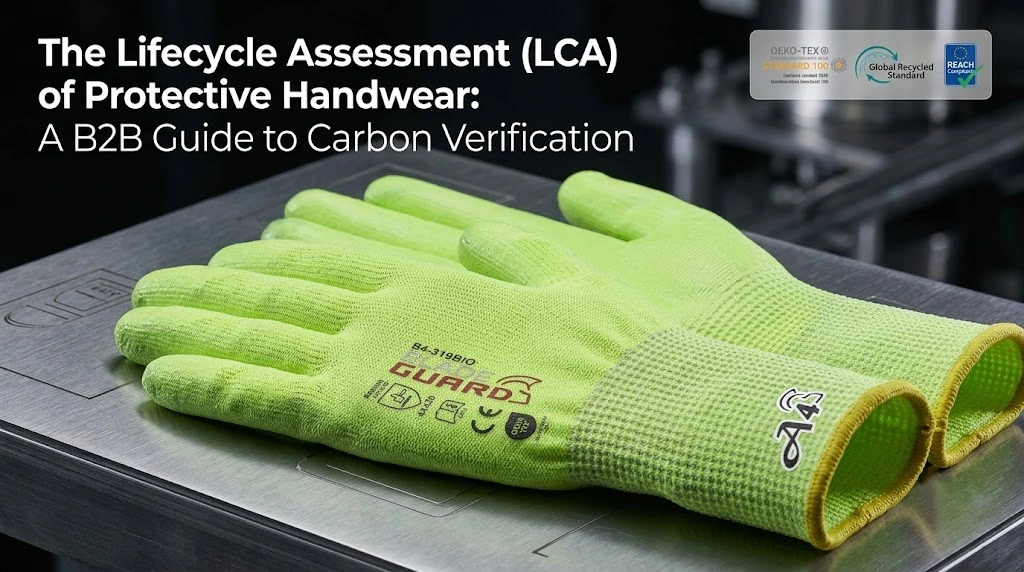
Introduction: Why LCA Is the New Standard for PPE Procurement
As a definitive PPE Lifecycle Assessment standard emerges against the backdrop of accelerating decarbonization in global manufacturing supply chains, the entry requirements set by major multinational manufacturers are undergoing a rigorous overhaul. Faced with stringent Scope 3 supply chain greenhouse gas accounting protocols, vague slogans such as “green” or “eco-friendly”—once common in bid evaluations—no longer pass compliance reviews. Environmental commitments lacking verifiable data will not only be immediately rejected during bid verification but may also expose multinational corporations to serious credibility risks associated with “greenwashing.”
To eliminate compliance blind spots in the supply chain, Lifecycle Assessment (LCA) based on the ISO 14040/14044 international standards is rapidly becoming the sole authoritative audit criterion for global enterprises when procuring industrial PPE supplies. A standard LCA is by no means a one-off assessment; rather, it uses mathematical models to trace the entire process of a glove—from the “Cradle” stage of raw material extraction, through the “Gate” stage of factory manufacturing, to the “Grave” stage of final disposal in the workshop—ensuring complete transparency of underlying material metrics such as Global Warming Potential (GWP) and Primary Energy Demand (PED) and other fundamental material science metrics through mathematical modeling.
For EHS directors and central procurement managers facing immense audit pressure, transparent LCA data serves as the foundational tool for ensuring supply chain security. Through this closed-loop data system, companies can transform traditional “operational consumption costs” directly into “supply chain carbon reduction assets” that can offset carbon liabilities and improve rating scores on the group’s ESG ledger. This not only alleviates the anxiety central procurement departments face during surprise audits but also charts a low-carbon compliance path for global manufacturers, backed by data and irrefutable evidence from materials science.
Upstream Scrutiny: Cradle-to-Gate Carbon in Raw Materials
Bio-Based PU vs. Fossil-Fuel Polyurethane Resin
When assessing the cradle-to-gate carbon footprint of industrial protective gloves, the carbon emissions from upstream raw materials often account for the lion’s share of total emissions. Traditional petroleum-based polyurethane (Fossil-Fuel PU) coatings carry an extremely heavy environmental burden during the refining and chemical synthesis stages. From deep-well extraction and cracking of crude oil to the final synthesis of polyurethane resin, the entire chemical production chain consumes vast amounts of fossil energy, which directly results in a persistently high baseline for Primary Energy Demand (PED). Furthermore, the energy-intensive pressurized polymerization process releases high concentrations of carbon dioxide into the atmosphere, making its Global Warming Potential (GWP) a carbon deficit item that is difficult to offset during bid audits. When compliance officers at major manufacturers conduct audits, these fossil-based materials often drive up the supply chain’s overall carbon footprint rating in the very first stage.
In contrast, replacing fossil-based raw materials with plant-derived polyols demonstrates a dramatic micro-material-level advantage in carbon sequestration. The Bio-Based PU Polyurethane Coating technology adopted by SQG®’s core product line essentially shifts the carbon source from non-renewable underground petroleum to renewable above-ground plant assets. Through natural photosynthesis during their growth phase, plants can efficiently capture and sequester carbon dioxide from the atmosphere. Consequently, even before entering the manufacturing phase, bio-based raw materials already carry a natural “negative carbon credit” within the LCA model. This carbon sequestration mechanism at the source not only fundamentally breaks the path dependence on fossil fuels but also substantially reverses the GWP and PED metrics at the coating raw material stage, providing a clean, low-carbon starting point for multinational centralized procurement.
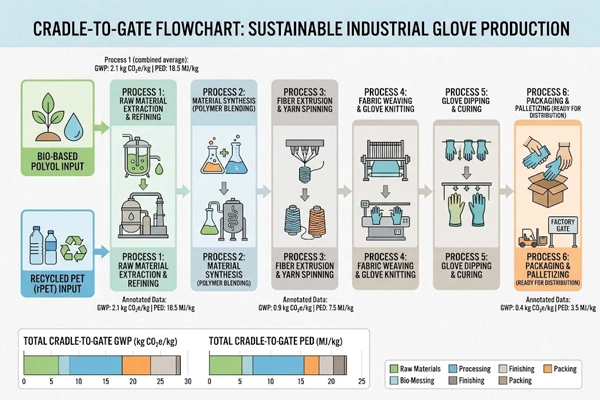
RPET Recycled Liners and Primary Energy Demand Reduction
In addition to the coating, the knitted liner of protective gloves is another key source of carbon emissions that cannot be overlooked in an LCA audit. Traditional virgin polyester fibers rely on pure petroleum extracts for high-temperature polymerization and filament spinning, whereas the GRS (Global Recycled Standard)-certified recycled polyester (RPET) liners selected by SQG® demonstrate exceptionally strong low-carbon performance in terms of data. By collecting, cleaning, flaking, and re-spinning post-consumer plastic bottles, this recycling process directly eliminates dependence on highly polluting upstream industries such as crude oil extraction and completely bypasses the high-temperature, high-pressure conditions required for fossil fuel polymerization, thereby securing a dramatic reduction in Primary Energy Demand (PED) for companies at the raw material stage.
To provide procurement officials at major multinational corporations with hard metrics for financial reconciliation, the greenhouse gas (GHG) emission reduction contributions resulting from this material substitution must be fully quantified. Under the Cradle-to-Gate assessment model, using GRS-certified RPET matrix can directly reduce carbon emission quotas by as much as 40% to 50% compared to virgin polyester. This means that when procurement teams replace traditional workshop gloves in bulk with SQG® sustainable models based on an RPET matrix, the carbon emissions data in bid proposals will experience an immediate, across-the-board, dramatic drop—effectively turning green across the board. These highly transparent and auditable GHG emission reduction credits can be seamlessly incorporated into the Scope 3 emissions ledger of publicly traded companies’ financial statements, ensuring that compliance is not merely a slogan but is substantiated by concrete, verifiable data.
Manufacturing Phase: Process Control and Energy Recovery
In traditional supply chain audits, many procurement teams tend to focus all their attention on the procurement of raw materials, while overlooking the high environmental costs associated with the glove manufacturing process (Gate-to-Gate). Traditional industrial protective gloves largely rely on energy-intensive, highly polluting, and outdated production lines for core processes such as dipping, curing, and washing. To ensure proper curing of the rubber compound and basic chemical cleaning, this outdated equipment continuously consumes large amounts of electricity and fossil fuels (such as natural gas), resulting in Primary Energy Demand (PED) at the manufacturing stage that severely exceeds standards. More seriously, due to the lack of wastewater recycling and waste heat recovery technologies, traditional production lines generate massive water consumption and wastewater discharge liabilities during multiple rinsing cycles. This inefficient, extensive manufacturing model is precisely the industry-wide problem that causes the overall LCA carbon emissions of many so-called “eco-friendly gloves” to increase rather than decrease when assessed over their full life cycle.

To thoroughly break through this carbon emissions bottleneck at the manufacturing stage, SQG® has established a closed-loop, low-carbon manufacturing network (Closed-loop Reclamation) covering the entire process. In the core cleaning and chemical detoxification stages, we have completely abandoned the traditional, water- and energy-intensive “flood-rinse” method in favor of our proprietary multi-stage continuous ultrasonic cleaning process. Combined with precise temperature control via a high-low temperature-step thermal desorption system, this process utilizes high-frequency cavitation effects and stepped thermal energy to reduce residual toxins inside the gloves—such as DMFa—to levels below the limit of detection, safeguarding frontline workers’ skin health to the most stringent standards. Powered by this cutting-edge detoxification process, the SQG® production line not only achieves an exceptionally high level of toxin-free compliance but also, through its internally integrated closed-loop heat exchanger and counter-current rinsing filter matrix, recycles and reuses 100% of the high-temperature waste heat and cleaning wastewater generated during manufacturing. This refined “extreme detoxification + closed-loop resource management” process not only reduces energy and water consumption by more than 50% during the Gate-to-Gate phase but also helps procurement teams at major manufacturers deliver an impeccable, low-carbon performance in environmental audits.
Quantifying Environmental Impacts: Material-Level LCA Metrics
In industrial B2B procurement and compliance audits of multinational supply chains, empty environmental rhetoric is meaningless; quantitative LCA metrics based on material-level data are the only solid evidence required to pass an audit. Faced with rigorous scrutiny from multinational giants and third-party audit firms, procurement departments must be able to provide concrete, documented data to prove the low-carbon attributes of their consumables. The table below, based on a standard life cycle assessment model, presents a side-by-side comparison of key environmental indicators for different glove material systems under the Cradle-to-Gate framework, providing you with data reconciliation support that can be directly applied to bidding processes and Scope 3 carbon accounting:
Protective Handwear LCA Environmental Metrics (Per 1,000 Pairs)
| Material Specification | Global Warming Potential (GWP 100 – kg CO2 eq) | Primary Energy Demand (PED – MJ) | Water Consumption (m³ eq) | Toxic Chemical Residues (DMFa) | Compliance Tier |
| Traditional Fossil-Based PU + Virgin Polyester | High (Baseline) | High (Non-Renewable) | Elevated | High Risk (>30 PPM) | Standard Access |
| SQG® Bio-Based PU + RPET Matrix | Reduced by up to 45% | Reduced by up to 50% | Minimized via Closed-Loop | ND (< 5 PPM) | OEKO-TEX Class II & REACH |
By cross-referencing the hard data on materials mentioned above, it is clear that the SQG® Green Matrix—by eliminating dependence on fossil fuels and implementing a closed-loop process—has brought about a dramatic reversal in the GWP (Global Warming Potential) and PED (Primary Energy Demand) across the entire product line. These fully transparent, quantifiable metrics not only eliminate uncertainty risks during third-party audits but also secure an absolute competitive advantage for companies in terms of technical compliance during bidding processes.
Fleet Performance: LCA Impact of Specific Glove Models
For centralized procurement organizations responsible for achieving carbon neutrality across global supply chains, broad industry data alone is insufficient to support decision-making. Corporate procurement strategies must cross-reference verifiable eco-friendly materials with specific models used on the shop floor. The following is a detailed model-by-model breakdown from the SQG® Sustainability Matrix:
The MAXGUARD Precision Fleet
In light industrial precision assembly lines and high-standard manufacturing processes, the MAXGUARD series perfectly demonstrates how microscopic materials science directly enables low-carbon procurement. As the core of this series, the ultra-fine 18-gauge recycled backbone model P-322-BIO is specifically designed for ultra-high-sensitivity operations. From a textile engineering perspective, this model drastically reduces the carbon footprint associated with traditional polyester by minimizing the Primary Energy Demand (PED) during the upstream raw material extraction and filament drawing stages. This exceptionally low primary energy consumption makes it a key asset for 3C electronics assembly, semiconductor cleanrooms, and precision instrument manufacturing facilities seeking to reduce their baseline carbon footprint in response to corporate supply chain carbon audits.
To meet the needs of multinational factories for refined, multi-color visual management across different production lines, job types, or safety levels, MAXGUARD has further introduced finely optimized dip-coating models such as B-312-BIO-BL (Classic Black), B-312-BIO-G (Industrial Gray), and B-312-BIO-GBL (Forest Green). During the manufacturing and processing stages involving high-volume mold curing and large-batch dip-molding, SQG® has introduced an advanced closed-loop thermal energy circulation system. This system enables precise, second-by-second control and recirculation of heat flow within the curing oven, significantly reducing the consumption of external energy sources such as natural gas or electricity. As a result, the Global Warming Potential (GWP) of an entire batch of gloves is firmly maintained within the green, low-energy-consumption range during production, achieving a profound win-win scenario that combines visual, precision management with low-carbon manufacturing.
The BLADEGUARD Heavy-Duty Fleet
Designed for heavy industry, metal stamping, and high-risk cutting environments, the BLADEGUARD high-performance series seamlessly integrates physical and mechanical performance with a long-term carbon reduction strategy. The mechanical protection models B3-340-BIO and B4-310-BIO completely shatter the long-held prejudice that “eco-friendly materials lack strength.” Backed by textile and polymer composite engineering, and through the incorporation of high-density twisting technology and a specialized tear-resistant fiber matrix, these models demonstrate exceptional abrasion resistance while fully meeting the physical tear resistance and heavy-duty cut resistance requirements of EN 388. In the LCA model, the gloves’ physical lifespan is extended by 2–3 times, meaning that within the same factory working hours, the frequency of consumable replacements and total procurement volume are drastically reduced. This directly translates to a halving of the per-hour carbon amortization rate, providing a highly significant hidden carbon asset for centralized procurement in heavy industry.
As the steel-wire-reinforced, cut-resistant “monster” in this fleet, designed to withstand extremely harsh operating conditions, the B6-310R-BIO is specifically engineered for harsh environments involving high-intensity mechanical friction and sustained exposure to high heat. In the front-line workshop environment, characterized by heavy friction and complex chemical conditions, the bio-based polyurethane coating on the base layer of this model, combined with a unique eco-friendly material formulation, demonstrates exceptional chemical stability, ensuring that the coating will never peel, degrade, or crack during daily operations. More importantly, during the final disposal stage of its full life cycle, this carbon-sequestering coating derived from plant-based assets, combined with a renewable framework, ensures that when the gloves reach the end-of-life (EoL) stage—whether through landfilling or incineration—they will not release any secondary chemical toxicity resulting from the degradation of fossil-based raw materials into the natural ecosystem, thereby achieving a truly green, compliant, and fully closed-loop system from “cradle” to “grave.”
Downstream Realities: Durability and End-of-Life Scenarios
In a comprehensive life cycle assessment, a product’s physical durability not only affects the user experience of frontline workers but is also a core variable for carbon reduction in LCA models. Traditional industrial gloves, due to their low knit density and poor abrasion resistance, often suffer from coating cracking and adhesive failure within just a few work hours under high-frequency friction in the workshop, forcing them to be scrapped. The SQG® Green Matrix, by incorporating high-gauge textile density and multi-ply twisting technology, fundamentally enhances the gloves’ physical durability, extending their overall service life by 2–3 times. In terms of data reconciliation, this translates to a direct reduction of more than 60% in factory procurement frequency and the resulting logistics operations—including international sea and land transport. This reduction in supply chain frequency, driven by high-quality protection, can directly help companies eliminate a significant amount of hidden carbon emissions liabilities in the “Downstream Realities” phase of the LCA—specifically in logistics and the usage phase—thereby transforming every penny of the centralized procurement budget into tangible carbon reduction achievements.
In addition to emissions reductions during the use phase, B2B centralized procurement organizations must also address soil and environmental toxicity liabilities during the end-of-life phase. When traditional petroleum-based PPE gloves are discarded—whether they enter the landfill or incineration process—the fossil-derived compounds and toxic chemical residues they contain are re-released as heavy metals and harmful gases during degradation or combustion, becoming a long-term, latent ecological toxicity time bomb on companies’ ESG balance sheets. In stark contrast, the SQG® eco-friendly protective series relies on the clean origins of its bio-based PU plant-derived coating and recycled composite framework, ensuring non-toxic, eco-friendly performance at the end of the product’s life cycle (EoL). Even during the final disposal stage, it will never release any fossil-derived toxic liabilities into the soil or air, truly establishing a fully closed-loop green supply chain safety net for global manufacturers—from raw material extraction to final waste disposal.
Visual Evidence: Full Product Lifecycle Mapping
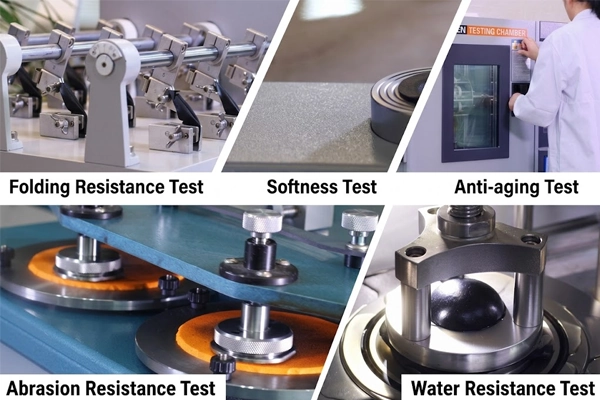
In supply chain compliance audits and international bidding processes conducted by major multinational manufacturers, generic stock photos not only fail to demonstrate a company’s technical capabilities but may even undermine third-party auditors’ confidence in the authenticity of the company’s compliance. To provide global buyers with irrefutable proof of compliance, SQG® has completely abandoned misleading marketing visuals and instead directly presents a chain of authentic, traceable images documenting materials and quality inspections from the original manufacturer’s supply chain. These data-driven images, captured on the production floor and in core R&D facilities, document every rigorous inspection step—from the initial extraction of plant-based raw materials and the multi-strand twisting of regenerated fibers to the final product’s shipment from the factory—serving as irrefutable visual evidence for companies when preparing technical proposals and conducting reconciliation.
FAQ: Procurement Queries on PPE Life Cycle Assessment
Q1: What is the difference between “Cradle-to-Gate” and “Cradle-to-Grave” in safety glove LCA?
In the life cycle assessment (LCA) of safety gloves, the core difference between Cradle-to-Gate and Cradle-to-Grave lies in the differences in accounting boundaries and control areas. Cradle-to-Gate is a partial life cycle model that strictly accounts for cumulative carbon emissions from raw material extraction and upstream supply chain transportation through to the stage where gloves are packaged at the factory and prepared for shipment. This phase constitutes the “core carbon reduction zone,” which manufacturers can directly control through process improvements and raw material substitutions.
Cradle-to-Grave, on the other hand, is a complete, closed-loop model covering the entire life cycle. Building on factory-exit data, it incorporates the entire carbon footprint—including subsequent cross-border logistics and distribution, actual consumption by front-line workers on the shop floor, and final disposal through landfilling or incineration after end-of-life—into the accounting system. For large manufacturers’ procurement departments, clearly defining these two boundaries can effectively prevent data overlap and provide precise reconciliation support for corporate supply chain carbon footprint accounting.
Q2: How does a bio-based PU coating directly affect the Global Warming Potential (GWP) of PPE?
Bio-based polyurethane coatings can cause a dramatic drop in the Global Warming Potential (GWP) of protective gloves, and the core rationale lies in the fundamental change in the carbon source. Traditional petroleum-based polyurethane coatings derive all their carbon from fossil resources buried underground; during production and disposal, they introduce a net increase in carbon into the atmosphere, thereby exacerbating the carbon deficit.
In contrast, bio-based polyurethane uses modern plant-derived polyols as its core raw material. During their growth phase, these plants have already captured and sequestered atmospheric carbon dioxide at a high density through natural photosynthesis. Consequently, in the initial raw material allocation stage of the LCA model, bio-based materials inherently carry a natural “negative carbon credit.” This carbon sequestration mechanism at the source fundamentally reduces the net carbon emissions of protective gloves throughout their entire life cycle, directly enabling companies to overcome green trade barriers in Europe and the United States.
Q3: Can an EHS department use a glove’s LCA report to lower audited Scope 3 greenhouse gas emissions?
The answer is yes. According to the internationally recognized Greenhouse Gas Protocol (GHG Protocol), personal protective equipment and industrial consumables procured through centralized purchasing are strictly classified as “Category 1: Purchased Goods and Services.” In the past, when data was scarce, audit teams had no choice but to use rigid, industry-wide high-emission default factors to make rough estimates, which often resulted in companies’ emissions inventories being significantly inflated.
As long as suppliers can provide authentic LCA data reports verified by an authoritative third party, a company’s ESG audit team can legally and compliantly use this precise low-carbon footprint data to directly replace the high-energy-consumption industry-standard background database coefficients. This data substitution can immediately generate a highly impressive quantifiable carbon reduction asset in the group’s Scope 3 greenhouse gas audit ledger, serving as a key compliance achievement for the EHS department to present to the board of directors.
Conclusion: Securing ESG Goals with Verified LCA Data
Under modern supply chain compliance frameworks, procuring a pair of SQG® eco-friendly protective gloves—which feature complete LCA data traceability and demonstrate ultra-low GWP (Global Warming Potential) and PED (Primary Energy Demand) performance—is far more than simply purchasing a basic piece of physical protective equipment for frontline workers. From a macro-level corporate strategic perspective, this effectively constitutes the acquisition of a long-term compliance asset with high certainty and zero audit risk for the entire multinational group’s ESG compliance framework. By deeply integrating transparent underlying environmental data with high-performance mechanical protective equipment, major manufacturers can thoroughly eliminate carbon audit blind spots in the downstream supply chain without compromising physical workplace safety.
For procurement directors and EHS compliance officers currently facing surprise low-carbon audits from top buyers in Europe and the U.S., or those drafting the group’s global procurement bid documents for the new quarter, securing quantifiable low-carbon physical evidence as early as possible is the key to winning bids and passing audits. We invite you to explore the Sustainable Compliance Category Portfolio now and visit the parent page of our sustainable protective gloves category. Here, you can directly contact an SQG® Senior Application Engineer to request the full set of official LCA technical white papers and complete GRS traceability chain materials, and apply online for a free Complimentary Sample Pack—customized based on real-world testing for high-frequency mechanical operations on the shop floor. Use real-world, frontline abrasion resistance data and quantitative low-carbon audit reports to solidify your next phase of green procurement strategy.