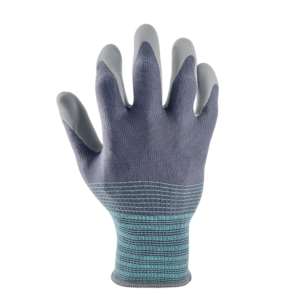
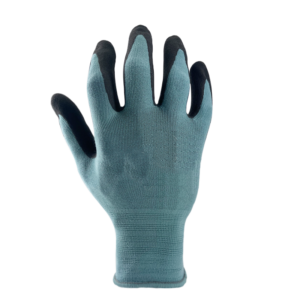
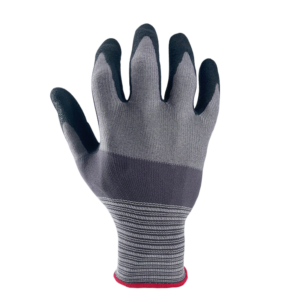
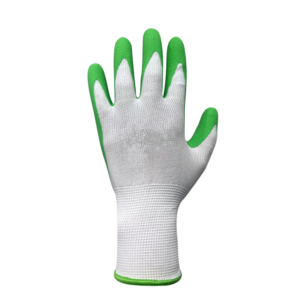
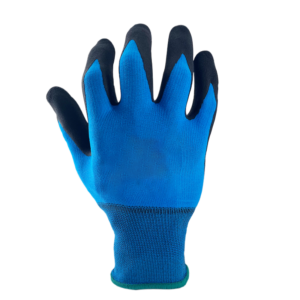
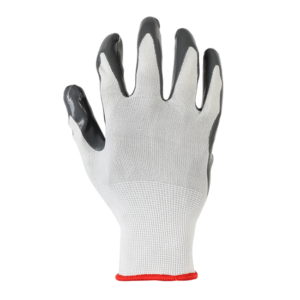
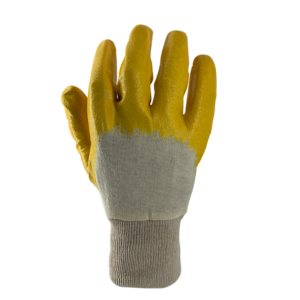
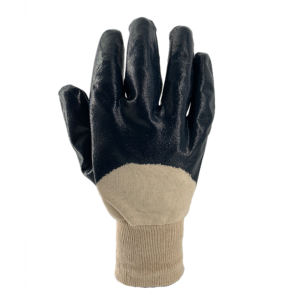
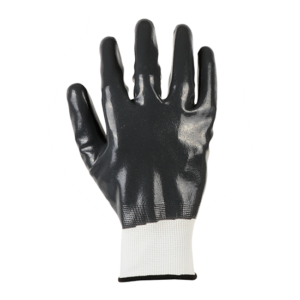
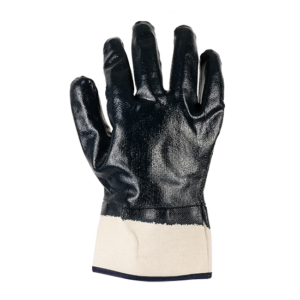
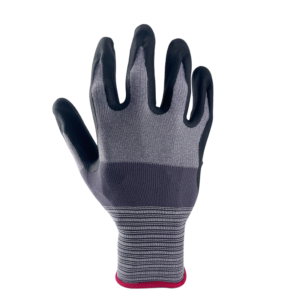
Defend against daily workplace hazards like rough surfaces, splinters, and minor abrasions. Our mechanical protection series strictly complies with EN388 standards, providing essential durability and physical safety for construction, warehousing, and general material handling.
Essential Defense Against Abrasions, Tears, and Punctures
General manual labor exposes hands to a constant barrage of rough materials and sharp edges. SQG’s mechanical hazard gloves are meticulously engineered to pass rigorous EN388 laboratory testing. By utilizing tough synthetic liners and highly resilient outer coatings—such as robust Nitrile and deep-crinkle Latex—we offer a comprehensive barrier that actively prevents scrapes, snags, and minor lacerations. Whether you are outfitting a massive logistics warehouse or a local construction crew, our factory-direct manufacturing ensures you receive consistent, certified mechanical defense tailored to your exact industry requirements.
KNOWLEDGE BASE
Expert Answers on Mechanical Hand Protection (FAQs)
Q1: What exactly does the EN388 certification measure?
EN388 is the globally recognized European standard for protective gloves against mechanical risks. It evaluates a glove’s physical strength across multiple rigorous laboratory tests to ensure it can withstand the rigors of heavy industrial environments.
Q2: How do I read the 4 numbers under the EN388 shield pictogram?
The four numbers (e.g., 4131) represent specific performance levels. From left to right, they stand for: Abrasion resistance (1-4), Cut resistance (1-5), Tear resistance (1-4), and Puncture resistance (1-4). Higher numbers indicate a higher level of protection.
Q3: What makes a glove highly "abrasion-resistant"?
High abrasion resistance is achieved by utilizing durable base yarns (like tightly knit nylon or polyester) combined with thick, robust polymer coatings such as Nitrile or Polyurethane (PU), which prevent the fabric from wearing through when handling rough bricks or cardboard.
Q4: What is the difference between Tear and Puncture resistance?
Tear resistance measures how much force is required to pull the glove material apart once a hole has been started, crucial for avoiding snags on machinery. Puncture resistance measures the force needed to pierce the palm with a sharp object, like a nail or thick wire.
Q5: Are these gloves suitable for handling rough masonry and concrete?
Yes. For handling extremely rough and abrasive materials like concrete blocks and lumber, we highly recommend our mechanical gloves featuring a heavy-duty Latex crinkle finish or a thick Sandy Nitrile coating for maximum durability.
Q6: Which coating is best for dry warehouse and logistics handling?
For warehousing, packaging, and general logistics, a micro-foam Nitrile or a thin PU (Polyurethane) coating is ideal. They provide excellent abrasion resistance against cardboard boxes while maintaining the breathability and dexterity needed for all-day wear.
Q7: Can we wash mechanical protection gloves to extend their lifespan?
Absolutely. Most of our mechanical hazard gloves are machine washable. Regularly cleaning them removes embedded dirt and abrasive grit, which not only maintains worker hygiene but also significantly extends the working life of the PPE.
Q8: How can bulk buyers specify EN388 ratings for OEM orders?
As a direct B2B manufacturer, we allow you to customize your order based on your target market’s specific hazard needs. You can instruct our team to prioritize high abrasion (Level 4) or specific puncture resistance, and we will formulate the dipping process accordingly.